How Parenthood Quietly Reshapes Your Vision at Every Stage — And What Most Parents Never Realize
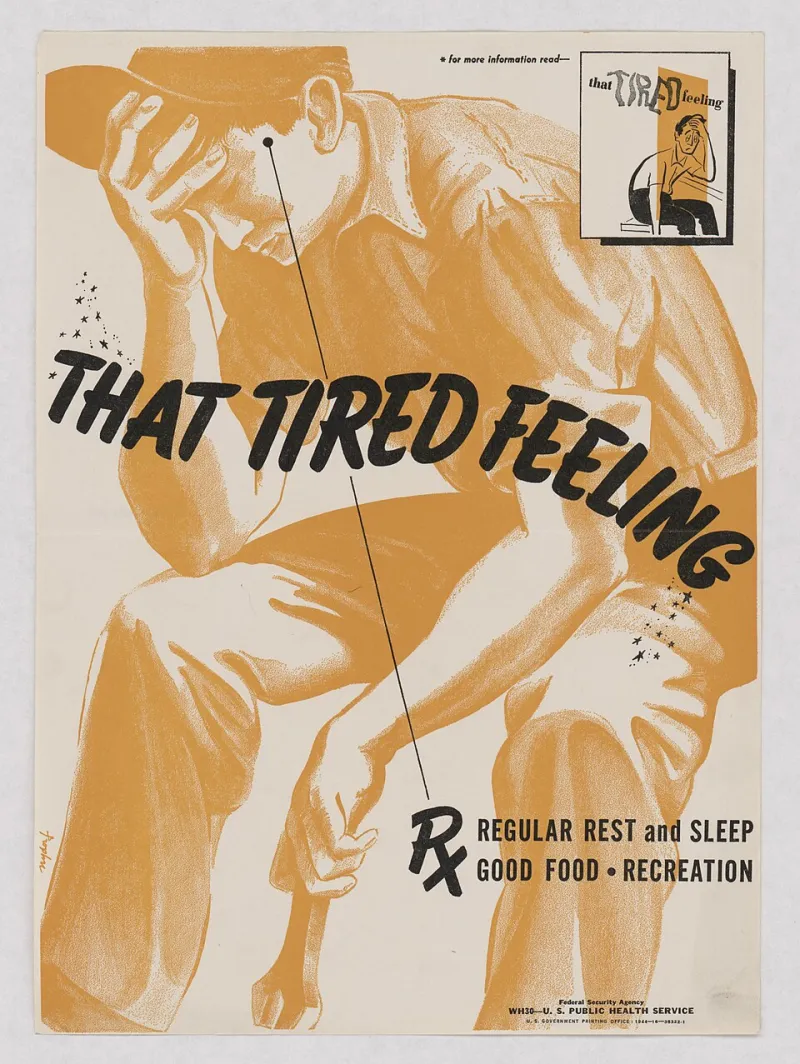
Photo: Office for Emergency Management. Office of War Information. Domestic Operations Branch. Bureau of Special Services. 3/9/1943-9/15/1945, Public domain, via Wikimedia Commons
Parenthood changes nearly everything about daily life — sleep schedules, dietary habits, social rhythms, and stress levels. What rarely makes the conversation, however, is what it does to your eyes. American parents are among the most visually overburdened adults in the country, yet the optical consequences of raising children remain almost entirely absent from routine healthcare discussions. The exhaustion gets the blame. The eyes rarely get the attention.
At MeOptaUSA, we believe clearer vision at every life stage begins with understanding what is actually happening inside your visual system — not just accepting that things feel harder and assuming rest will fix it. Here is what the science and clinical experience suggest about parenthood's distinct impact on adult eye health, phase by phase.
The Newborn Stage: When Sleep Deprivation Becomes a Vision Problem
The first months of parenthood are defined by fragmented sleep, and while most new parents understand what that does to their mood and cognitive function, fewer recognize its direct effect on ocular health. The eyes depend on sleep for a critical restorative process: during deep sleep cycles, the cornea receives oxygen, tear film replenishes, and intraocular pressure regulates. When sleep is broken into two- and three-hour intervals night after night, this cycle is repeatedly disrupted.
The result is a cluster of symptoms that new parents almost universally misattribute to simple tiredness: persistent blurred vision upon waking, increased light sensitivity, a gritty or burning sensation, and difficulty sustaining focus on close objects. These are not merely signs of fatigue — they are clinical indicators of dry eye syndrome and accommodative strain, two conditions that can become entrenched if the underlying pattern continues for months.
New parents who wear contact lenses face compounding risk. Extended wear during irregular sleep, combined with reduced tear production, creates conditions for corneal micro-abrasions and elevated infection risk. If you are in this phase and your lenses feel uncomfortable far earlier in the day than they once did, that is not a coincidence — it is a measurable physiological response to your new circumstances.
The Toddler and School-Age Years: Screen Monitoring and Accommodative Overload
As children grow, parental screen time increases in ways that are rarely counted. Monitoring a child's tablet use, reviewing homework assignments, coordinating school communications, managing digital calendars, and researching pediatric health questions all add significant near-vision demand to an adult's day — on top of whatever occupational screen time already exists.
For parents in their mid-thirties and early forties, this period coincides with the early stages of presbyopia, the natural age-related stiffening of the crystalline lens that makes close focus increasingly effortful. The important distinction here is not that presbyopia is caused by parenting — it is that the relentless near-vision demands of active parenthood can accelerate the point at which presbyopia becomes symptomatic and functionally limiting.
Many parents in this age bracket first notice the problem as evening headaches after helping with homework, difficulty reading fine print on food packaging under kitchen lighting, or a growing habit of holding their phone slightly farther away. These are not trivial inconveniences. They are early signals that the visual system is working harder than it should to maintain focus — and that a prescription evaluation is overdue.
If you have been postponing an eye exam because you feel your vision is "basically fine," the school-age parenting years are precisely when that delay carries the greatest cost.
The Teen Years: Digital Monitoring, Anxiety, and Stress-Related Ocular Symptoms
Parenting teenagers introduces a different category of visual stress — one driven less by physical near-work demand and more by the psychological and behavioral dimensions of screen vigilance. Parents of adolescents report significantly higher rates of late-night screen use, driven by concern over their children's online activity, social media behavior, and academic performance.
Chronically elevated stress has a well-documented relationship with visual disturbances. Cortisol dysregulation affects intraocular pressure, and prolonged psychological tension can trigger or worsen conditions including central serous chorioretinopathy — a condition where fluid accumulates under the retina, causing distorted or dimmed central vision. It is more common in adults aged 30 to 50 under sustained stress and is frequently misread as simple eye fatigue.
Additionally, parents who spend late evenings on screens in darkened rooms — checking in on a teenager's whereabouts, scrolling through social platforms, or managing family logistics — are exposing their eyes to high-contrast light in conditions that maximize pupil dilation and blue-wavelength exposure. The circadian disruption this causes compounds the dry eye and accommodative issues that may already be present from earlier parenting stages.
What Parents Consistently Attribute to Exhaustion Instead of Eye Health
Across every parenting phase, certain symptoms recur with notable frequency in clinical settings — and are almost never the reason a parent schedules an eye appointment. They include:
- Difficulty transitioning between near and far focus, particularly when shifting from a phone screen to a child across the room
- Increased glare sensitivity while driving at night, especially after years of disrupted sleep
- Persistent morning eye discomfort that improves slowly or not at all after coffee
- Reading fatigue that arrives earlier in the day than it did two or three years prior
- Mild but recurrent headaches centered above the brow or behind the eyes after sustained close work
Each of these can have a straightforward optical explanation — and each responds well to targeted intervention when caught early. The pattern of dismissing them as parental exhaustion is understandable, but it delays care that could prevent more significant problems.
Practical Steps for Parents at Any Stage
The most important recommendation is also the most consistently ignored one: maintain your annual comprehensive eye exam regardless of how manageable your symptoms feel. Parental life creates a predictable tendency to deprioritize personal healthcare, and the eyes are among the first casualties of that deprioritization.
Beyond the annual exam, several practical adjustments can meaningfully reduce the visual burden of parenting:
Prioritize screen distance and lighting consistency. Whether you are reviewing a school permission slip or monitoring a teenager's social media, adequate ambient lighting reduces accommodative strain significantly. Avoid screen use in completely darkened rooms.
Evaluate your contact lens schedule honestly. If your wearing hours have extended beyond what your lenses are designed for, or if sleep disruption means you are wearing them into naps or overnight, discuss daily disposable options with your eye care provider.
Do not self-diagnose with over-the-counter readers. The reading glasses available at pharmacies are not calibrated to your specific prescription needs, and relying on them as a long-term solution during the early presbyopia phase can mask a more complex refractive shift that deserves professional evaluation.
Discuss stress-related symptoms with your provider. If you are experiencing visual disturbances — floaters, central blur, or intermittent distortion — during a period of elevated parental stress, mention it explicitly. These symptoms warrant investigation, not assumption.
Your Vision Deserves the Same Attention You Give Your Children's
American parents are extraordinarily attentive to their children's eye health — scheduling pediatric exams, monitoring screen time, and watching for signs of myopia progression. That same attentiveness rarely extends inward. The visual demands of parenthood are real, cumulative, and stage-specific, and they interact with natural aging in ways that compound risk over time.
Clearer vision is not a luxury reserved for the years before children or after they leave home. It is something worth protecting at every phase — because the quality of what you see shapes the quality of how you live, and how you parent, every single day.